Where to go for care
To find local healthcare facilities in MidCentral, including community pharmacists and urgent care centres, visit HealthPoint.


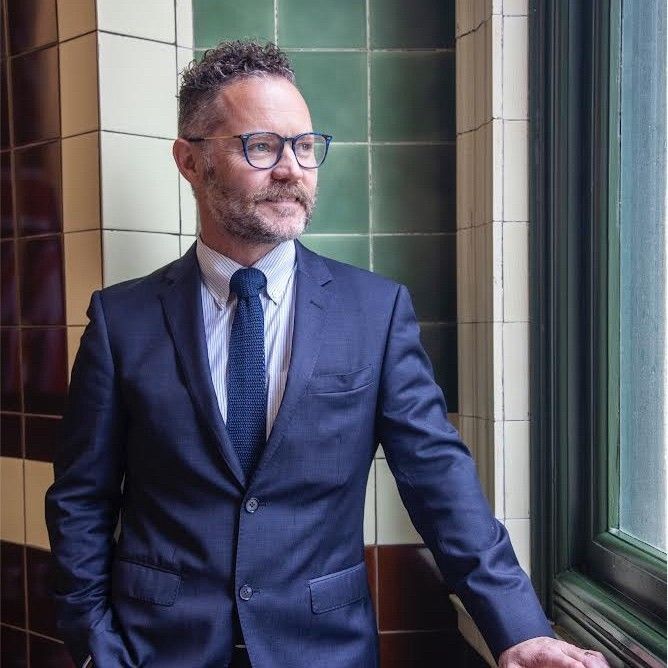
The THINK Hauora board are pleased to announce the appointment of Dr Chris Gallavin as its new Chair.
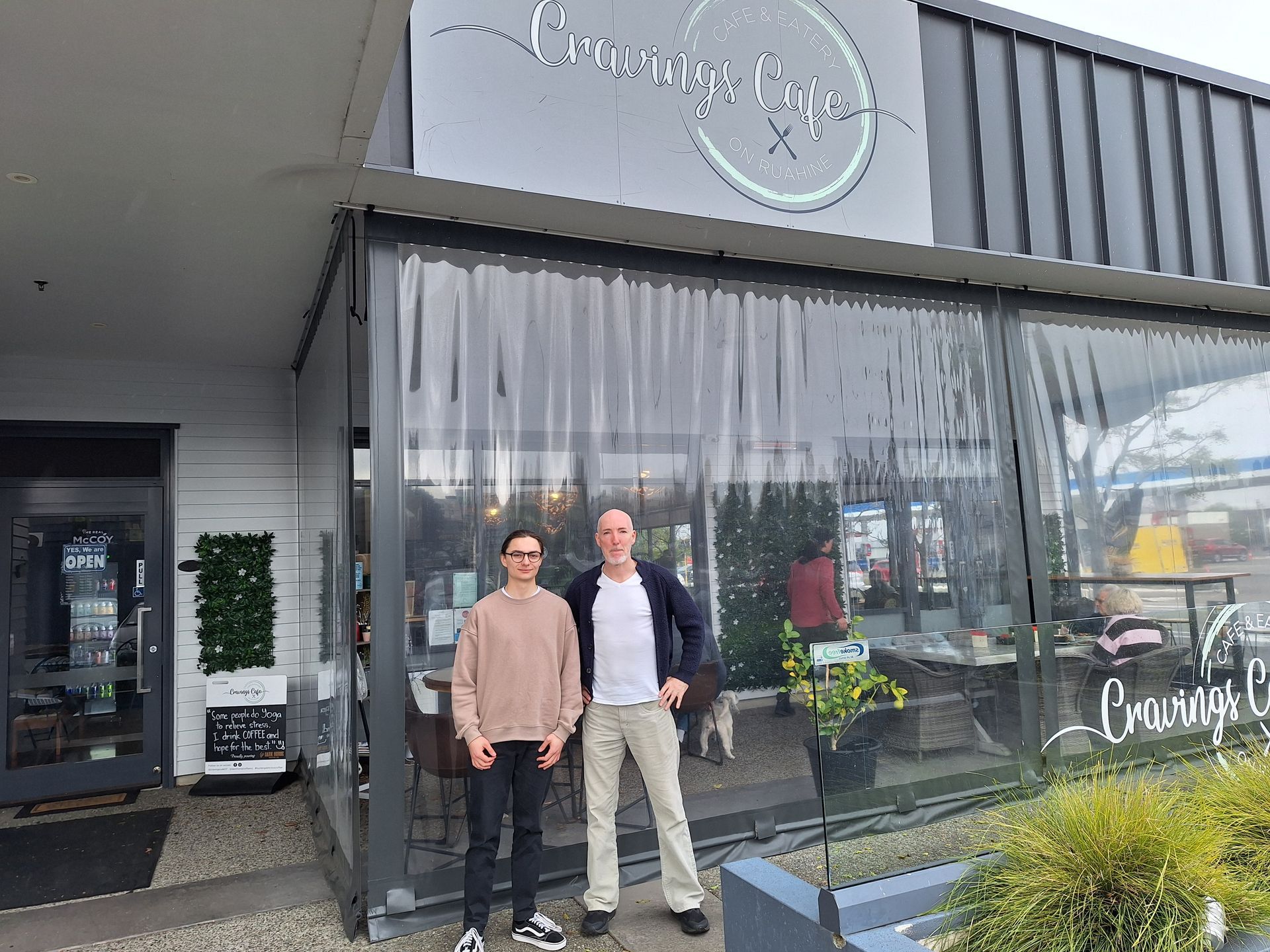
Brewing Opportunity: Regan's Journey Towards Employment

Men’s Health Week in New Zealand shines a spotlight on the importance of supporting men’s wellbeing. To explore this, we asked our General Manager – Māori Health Equity and Cultural Stewardship, Tīhema Baker, to share his thoughts on mental health and wellbeing. What does Men’s Health Week mean to you, and why is it important? This week is a good reminder for our tāne to stop and reflect on their wellbeing. I think we’re getting better at ditching the traditional “harden up” mentality, but we still have a long way to go and our health statistics prove it – we die earlier, our mental health is worse, and we’re far less likely to talk to each other about our issues, let alone to a doctor. What do you think are the biggest health challenges facing men right now? Mental health is a major area of concern for me. I don’t think many tāne look after or even understand their own mental health very well. I’m also particularly concerned about our rangatahi, and some of the content that’s influencing their understanding of what it means to be well. Why do many men avoid getting help and how can we change that? It goes back to that “harden up” culture that I don’t think we’ve let go of. We don’t like being vulnerable because we associate it with weakness. This is a problem that only men can solve for ourselves, and I think it starts with tāne leading by example and making it safe for other tāne to be open about their experiences and support each other. We have a lot to learn from wāhine in how to do this. What simple steps can men take to improve their physical health? Eat better, and make time for exercise. But above all, ask for help! It’s okay to not know how to do everything. What would you say to a man who feels like he has to handle things on his own? You don’t. Chances are there are whānau or friends who will drop anything to help you. Otherwise, there are plenty of services and supports out there – all it takes is a quick Google to find them. How can friends, whānau, or colleagues support men who may not ask for help? Ask how things are going, and then keep asking. It also helps if other tāne are open about the things they’re struggling with – it helps create a space where those men who may not usually ask for help feel safe to do so. What are some practical ways men can take care of their mental well-being day-to-day? Aside from the usual things (exercise, eating well, staying connected with whānau/friends), a personal mantra I’ve adopted is “putting my own oxygen mask on first”. Sometimes, I just need to make sure I’m well before I focus on others. This isn’t about being selfish – it’s about recognising when my hauora is out of balance and prioritising that. My whānau and community are much better served by a version of me that is healthy and happy. So take the time to regularly check in with yourself and be honest about your needs – they matter. If there’s one message for men this week, what would it be? Talk to each other.
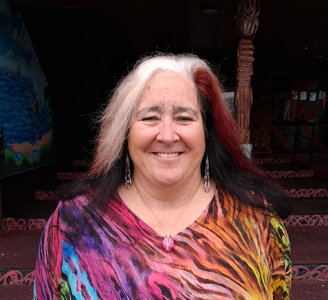
THINK Hauora wants to share a brief update following a recent change at Board level. John Peters has recently stepped down from his role as Board Chair due to an unexpected medical incident. We sincerely thank John for his strong and sound leadership and commitment he brought to the Kaupapa of THINK Hauora, and we wish him well during this time. We’re pleased to confirm that Danielle Harris has stepped into the role of Interim Board Chair. Danielle is a familiar and trusted presence, with a strong understanding of THINK Hauora, our people, and the communities we serve. Her calm, practical leadership and deep sector experience provide continuity and stability as we move through this next phase. Danielle will be working closely with the Board and executive team to ensure business continues as usual, while also supporting the Board through the process of confirming our longer‑term chair arrangements.